Culture and societies of Africa, the Americas, and Pacific Oceania developed in isolation primarily due to their geographical location on the planet. Several other factors support their isolation and cultural and society development. One of these is the absence of animals that could be domesticated. This meant that very few pastoral people could settle to begin societies. The Americas region only offered llamas and alpacas as a domesticated animal. This would obviously limit the amount of work that could be done with human hands. Another limitation in these three areas, unlike in Eurasia, was the lack of metallurgy development. They were simply not equipped with such tools. These people also lived in smaller groups away from cities and large societies.
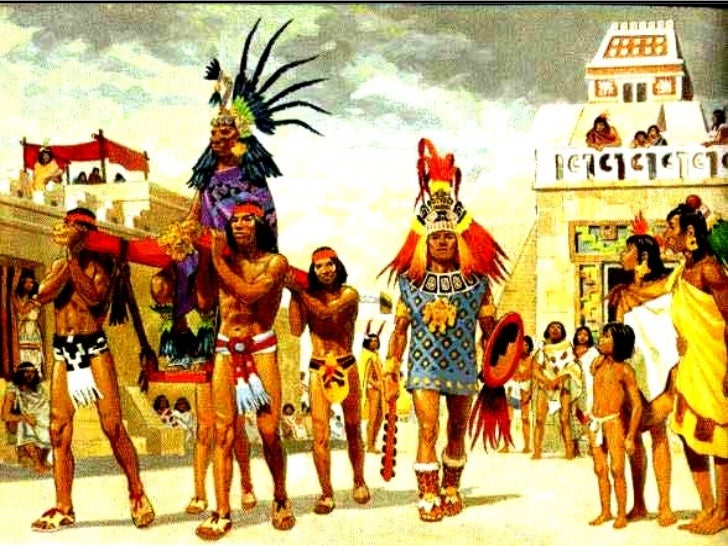
An interesting challenge to the above theory is that even though these three areas were largely isolated to Eurasia they all still managed to create temples, pyramids, palaces, and public plazas just as people did in Eurasia. How could this be? How could three very different regions, continents apart with very different peoples think about creating much of the same monuments?
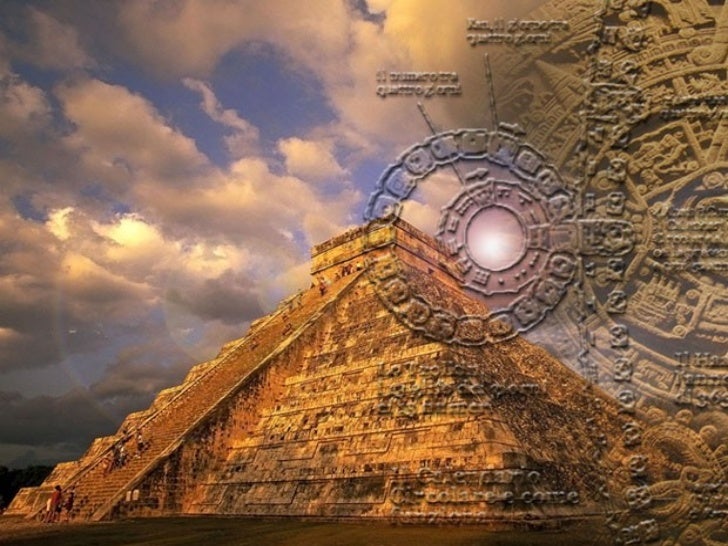
There has to be a link somewhere in the early hunters & gathers and pastoral human kind.

HI. That is very interesting especially noting that they dont have the tools the others had but were still able to create such magnificent structures. Also with the domestication of animals, thats a cool fact to know compared to the other parts of the world. Nice visuals again as always, thanks.
ReplyDelete